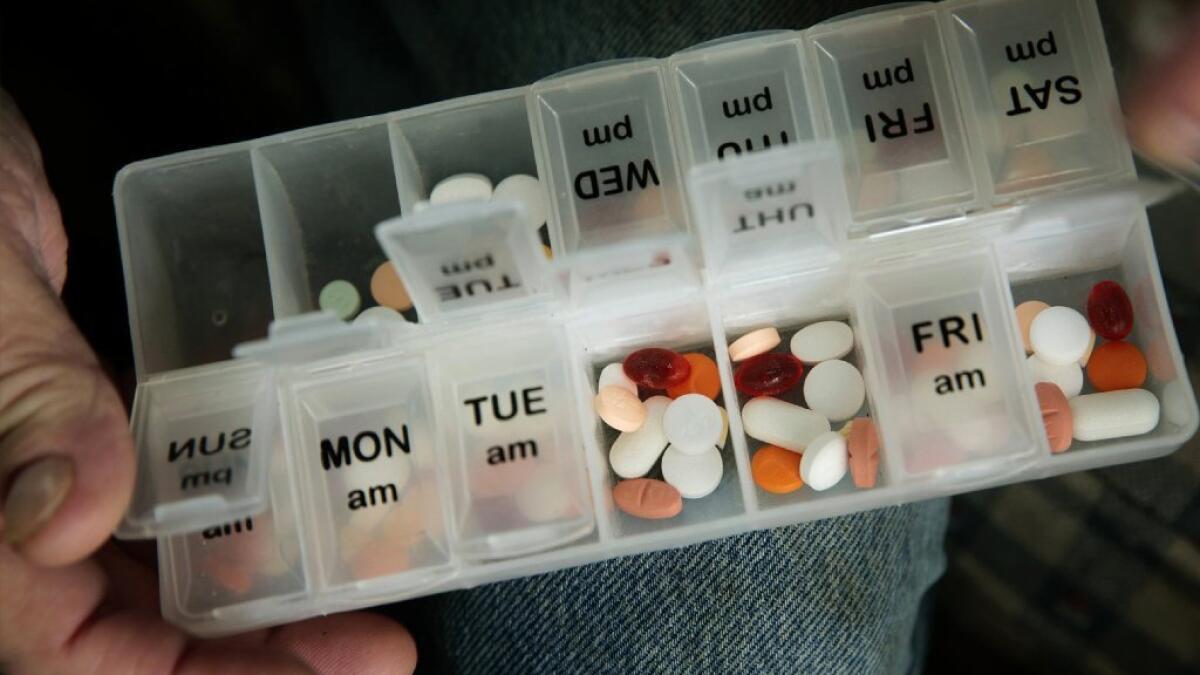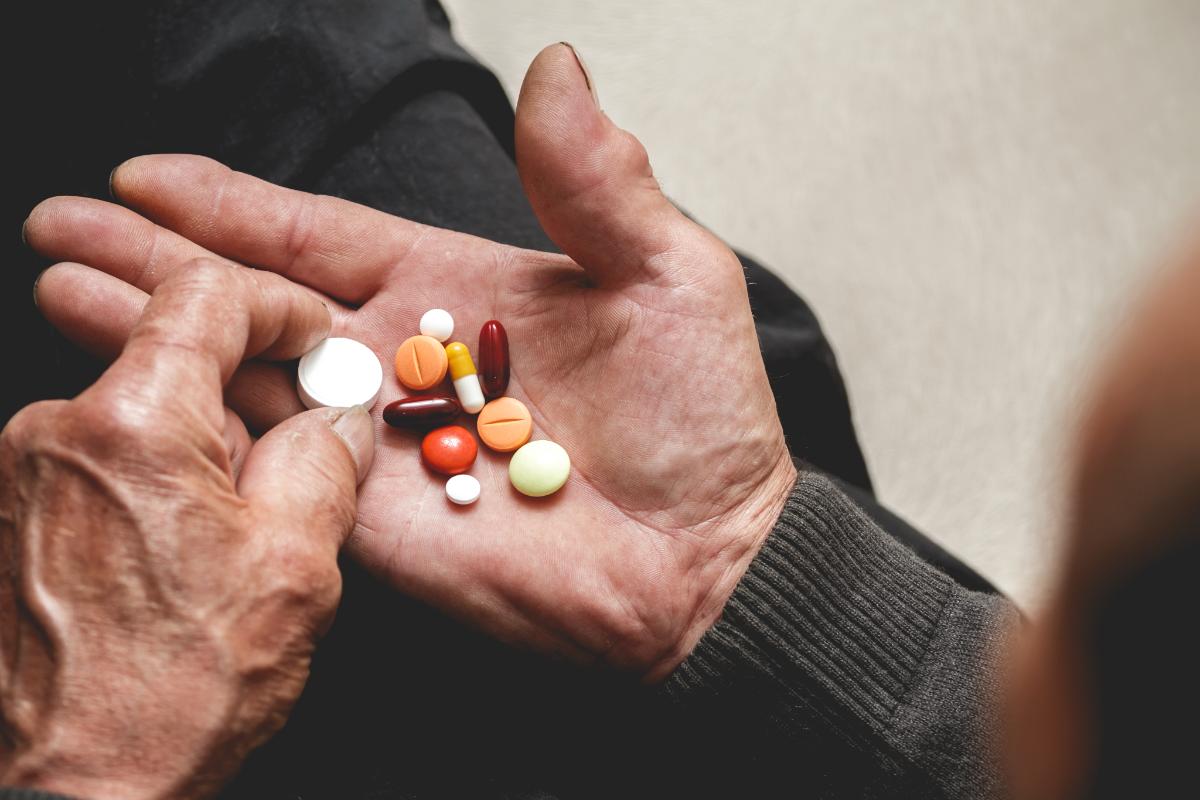
Pakistan’s healthcare system is facing a growing financial and ethical crisis, as the country reportedly loses around Rs 50 billion every year due to the irrational use of medicines, including overprescribing, misuse of antibiotics, and unethical drug marketing practices. The alarming figures were highlighted during the Health Asia 2025 Conference held in Karachi, where healthcare experts and regulators urged for stronger control measures and policy reforms.
Dr. Obaidullah, the Chief Executive Officer of the Drug Regulatory Authority of Pakistan (DRAP), shared that the issue of non-evidence-based prescriptions has reached a critical point. He revealed that nearly one-fourth of Pakistan’s total health budget is lost to inappropriate medication practices. “This is not just a financial burden but an ethical concern that affects every citizen who depends on safe and affordable healthcare,” he remarked.
According to Dr. Obaidullah, around 65% of healthcare spending in Pakistan is paid out-of-pocket by patients, which means that the financial impact of irrational drug use directly hits ordinary families. Many patients are often prescribed unnecessary or branded medicines when cheaper, effective alternatives exist. He emphasized that this situation not only inflates healthcare costs but also limits access to essential medicines for low-income patients.
One of the most serious consequences of this trend is the rise of antimicrobial resistance (AMR) — a condition in which bacteria and viruses become resistant to commonly used drugs. The DRAP head warned that the misuse of antibiotics is rapidly reducing their effectiveness against diseases like typhoid, tuberculosis, and urinary tract infections. “If we do not act now, the day is not far when routine infections will become life-threatening due to antibiotic resistance,” he cautioned.
Experts at the conference pointed out that the misuse of medicines is often driven by unethical marketing practices, lack of prescription monitoring, and weak enforcement of medical regulations. In some cases, incentives offered by pharmaceutical companies influence prescribing patterns, leading to the promotion of drugs that may not be medically necessary.
To address the issue, DRAP has called for the implementation of ethical marketing codes, stricter prescription auditing, and improved pharmacovigilance systems to track medicine use across hospitals and pharmacies. The authority also emphasized the need to fully enforce SRO 1472 (I)/2021, a regulation designed to curb unethical drug promotion and strengthen accountability within the pharmaceutical industry.
Healthcare professionals have also urged for better medical education and continuous professional training to help doctors adopt evidence-based prescribing habits. They stressed that rational medicine use is essential not only for patient safety but also for the sustainability of Pakistan’s healthcare economy.
Why It Matters:
-
Pakistan’s healthcare system loses billions every year due to non-scientific drug use and weak oversight.
-
Patients bear the brunt, as most healthcare expenses come directly from their own pockets.
-
The rise of antimicrobial resistance poses a national health emergency if not controlled.
-
Strengthening prescription monitoring and ethical practices can significantly reduce waste and improve patient outcomes.
Experts believe that a coordinated effort between DRAP, healthcare institutions, and pharmaceutical companies is crucial for creating a culture of responsible drug use. With better awareness, training, and regulation, Pakistan can save billions in healthcare costs and safeguard its population from the growing threat of drug resistance.